
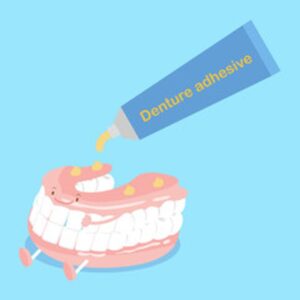
Denture adhesive can be a valuable tool for improving the stability and comfort of your dentures. When used correctly, it can help reduce movement, improve chewing confidence, and create a more secure fit throughout the day. However, many denture wearers aren’t sure how much adhesive to use or how to apply it properly.
If you’re new to denture adhesive or want to improve your routine, here are 4 helpful tips to keep in mind.
1. Start with Clean Dentures
Before applying any adhesive, make sure your dentures are thoroughly cleaned and dried. Food particles, plaque, or leftover adhesive can interfere with the product’s ability to bond properly.
Use a denture brush and denture cleanser to remove debris from all surfaces of the appliance. After rinsing the dentures, dry them completely before applying the adhesive. A clean surface allows the adhesive to spread more evenly and perform more effectively.
Good denture hygiene not only improves adhesive performance but also helps maintain your oral health.
2. Use the Right Amount
One of the most common mistakes denture wearers make is applying too much adhesive. More adhesive doesn’t necessarily mean a better hold. In fact, excess adhesive can ooze out around the edges of the denture, causing discomfort and creating a messy appearance.
Most denture adhesive manufacturers recommend applying a few small strips or dots of adhesive rather than covering the entire denture surface. Start with a small amount and gradually adjust if necessary.
If adhesive consistently leaks out when you insert your dentures, you’re likely using more than you need.
3. Press Firmly and Allow Time to Set
After applying the adhesive, place the dentures in your mouth and press them firmly into position. Bite down gently for a few seconds to help create a secure seal.
For best results, avoid eating or drinking immediately after inserting your dentures. Allowing the adhesive a few minutes to set can improve its holding power and help keep your dentures stable throughout the day.
Following the manufacturer’s instructions regarding setting time can maximize the effectiveness of the product.
4. Don’t Use Adhesive to Fix Poorly Fitting Dentures
Denture adhesive is designed to improve retention and comfort, not compensate for dentures that no longer fit properly.
Over time, changes in the jawbone and gum tissue can cause dentures to become loose. If you find yourself needing increasing amounts of adhesive or experiencing frequent movement, irritation, or sore spots, it’s time to visit your dentist.
A denture reline, adjustment, or replacement may be necessary to restore a proper fit. Continuing to rely on excessive adhesive can mask an underlying issue that should be addressed professionally.
When used correctly, denture adhesive can help improve confidence, comfort, and stability. By starting with clean dentures, using the appropriate amount, allowing the adhesive to set, and addressing fit problems promptly, you can enjoy a more comfortable denture-wearing experience.
About the Practice
Looking for a solution to your missing teeth? At Hanford Family Dental Center, we have options like bridges, dentures, and dental implants to restore your smile and give you your confidence back. We offer start-to-finish implant treatment under 1 roof, accept and maximize insurance, and staff a skilled team that respects your time. Book online or call our Hanford office at (559) 530-8080.